Milestone or Millstone? How much mileage do you need?
How many is too many, the tyranny of the word count

What’s the weight of the word worth in your writing?
Something odd happened to my brain the moment I idly checked the word count for our upcoming book, Narcisa Before Narcisa.
146,459…yay?
Wait, I thought. That’s nearly 150,000. That means… something. Right?
A summit, perhaps. Or at least a place to plant a flag and say: “I am here.” But the anxiety follows the milestone like a shadow. Because if it isn’t a summit, it’s just a number—and after this much blood on the page, a mere number feels like a letdown.
Then comes the real worry. That is a fair few pages, and I have just dropped what I can only describe as a fairly large bomb into the heart of the story. The kind of revelation that forces you to stop and ask uncomfortable questions—not just about plot, but about timing, responsibility, and whether you’re adding value or just stacking dead weight.
Is it too little, too late? Or is it exactly on time?
The Seduction of Numbers
Word counts are oddly talismanic. We pretend they’re practical—planning tools, structural markers—but really, they are emotional objects. They whisper to us:
You stayed with it.
You didn’t just dabble.
You didn’t let the fire go out.
But here is the uncomfortable, Florentine truth: 150,000 means exactly the square root of sweet Fanny Adams. It doesn’t guarantee ambition, depth, or quality. It just means you kept going. That isn’t nothing—but it’s a long way from everything.
Tomes vs. Free-Time
People love to invoke beasts like Infinite Jest in these conversations, but that comparison only works if we’re being honest. Wallace’s monster isn’t “good because it’s long.” It’s long because its architecture demands the space. Plenty of other “doorstop” novels aren’t architecture at all—they are mere accumulation. Readers feel the difference in their bones.
I’ve read all of Infinite Jest. Did I enjoy it? Non lo so. I enjoyed parts of it immensely; I endured the rest. But I finished it. I’ve only abandoned four books in my life—even the trashiest ones won’t “win” against me. The only “literary” giant I’ve ever put back on the shelf is DeLillo’s Underworld, and I gave that a fair fight because it has one of the greatest opening chapters in the history of the form.
I can commit, dammit. But is the slog worth the payoff?
Take Stephen King’s The Stand. It comes out of the blocks like a greyhound; for three hundred pages, it’s electric. Then, suddenly, I’m reading transcripts of town council meetings every night. When the momentum finally returns for the endgame, a central character essentially says: “You guys need to walk thousands of miles into the enemy camp for… reasons.” They do. And then a literal Deus ex Machina—the Hand of God—drops an atom bomb on them. The book just... stops. After 1,000+ pages, it feels like King was writing an essay when the school bell rang.
WTF, dude? If one of the world’s greatest storytellers can lose the thread, what the hell do we think we’re doing at 150k?
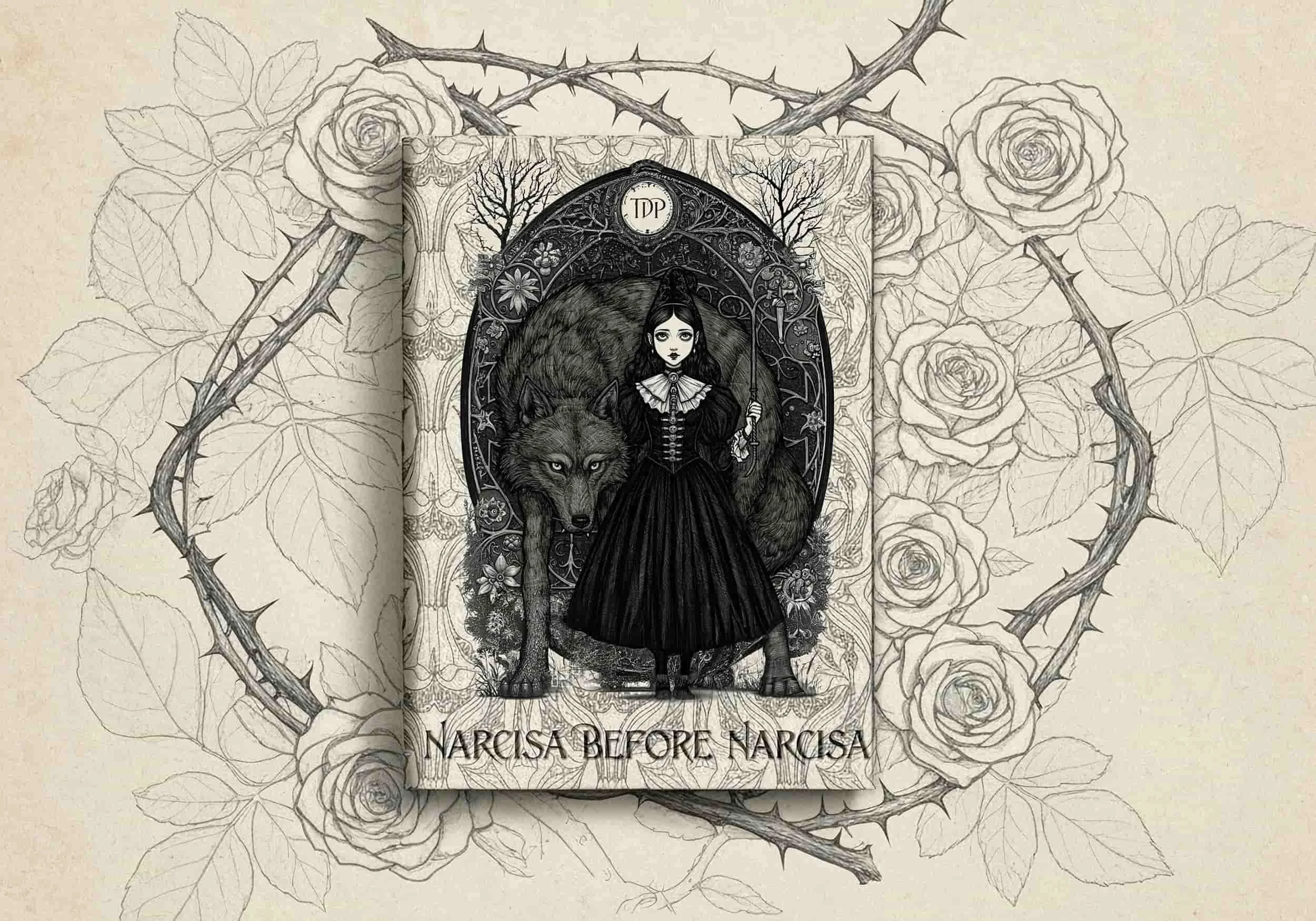
Once Upon a Time can often get away from you...
Learning to Love the Bomb
Dropping a major revelation at 146k sounds, on paper, reckless. But late revelations aren’t the sin. Late meaning is.
This is why I remain confident. This felt like the Professor throwing a “booster log” into the train’s furnace in the much-underrated Back to the Future Part III. I genuinely believe this revelation will:
Reframe everything that came before.
Shift the power, the stakes, and the moral alignment.
Justify the scale of the journey retroactively.
I am not building a Jenga tower of “Lore,” descriptions of hats, or endless exposition about trees. I am still pursuing the same simple, haunting image I started with:
Once, in a turbulent Bucovina, a girl and her wolf had many adventures—ones that made them both heroes… and villains…
Get me rewrite! A lesson from the Newsroom
In my first job as a music journalist, my editor gave me advice that has aged better than any style guide:
“You can write less if you have more time—because succinct is hard”
She was right. Anyone can add. Fewer can cut. Fewer still can decide what must remain. At this stage of a long novel, adding words is easy. Adding meaning? That’s the work.
So, what does 150,000 words mean to me? In the context of this book, it means I’m adding story, not adverbs. Plot, not padding. It’s a base camp for the summit—a quick sanity check before the final ascent.
And when I get there? I can start on the footnotes.
The Tyranny of the Tome: What are your “Word Count Vibes”?
I’m curious how other writers experience these milestones.
When does length feel earned—and when does it start asking for loyalty instead of love?
When do you feel in your bones that your book needs to stop expanding and start demanding decisions?
Have you ever realized, deep into a project, that the real work wasn’t writing more… but choosing less?