

It Lives!
Should forgotten ideas stay buried? Or as you change as a person and writer, are they worth another shot? Join us we tomb-raid our legacy with fresh eyes.
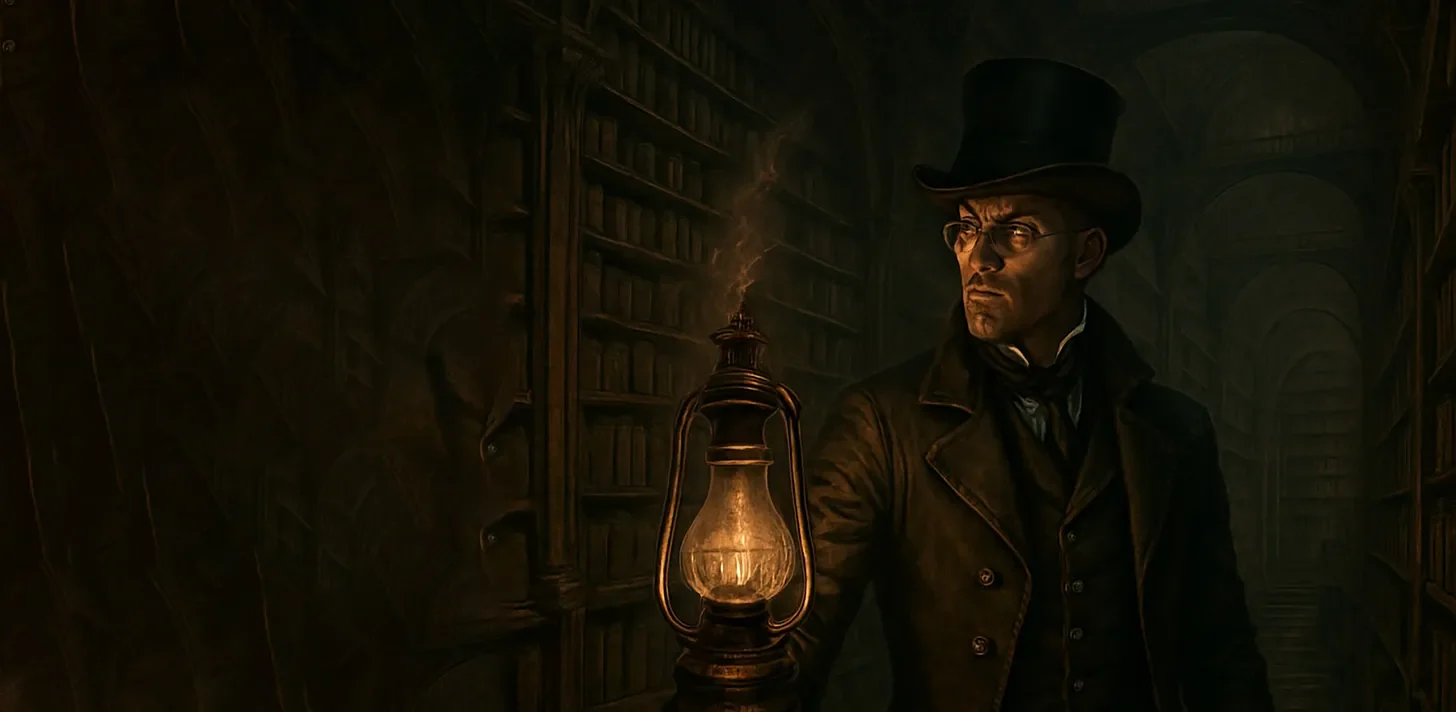
The Marble Casebooks are about truths hidden down in forgotten vaults, waiting to be discovered. How appropriate…
Writers all have one. An Oubliette of sorts.
A drawer somewhere—literal or digital—where a manuscript goes to sleep, and maybe even to die.
What sent it to this elephant’s graveyard of dreams? Frustration, rejection, writer’s block? Sometimes it is just the haunting idea that it belongs in the dustbin. Do we truly abandon them? Who knows? It is all deeply personal; how many great ideas have been rescued from obscurity, and how many have been lost to it forever? If the legend is true, Harry Potter was rescued from an actual bin because someone liked the binder it was in. Talk about sliding doors. All I can tell you is my own story, and for that, we must meet a thirty-something designer in Regent Street, London, about twenty years ago.
Thank God for the printed word. Still in Dad’s office on a shelf, the original printout used to piece 130K words back together (contains spoilers, no peeking!)...
The Power of Ennui
The book was (and is still, I guess) called The Annotated Casebooks of Professor Manton Marble. I wrote it when I was working as a freelance art director running a design department. There were always strange pockets of time in that job; long stretches between launching projects and signing off finished work. So I wrote, and no one really asked why a graphic designer was clacking keys all day. I was digging deep into a gothic detective novel set in Victorian London. Vampires, secret archives, coded documents—“world-building,” as the kids call it these days. Eventually, I did the brave thing: I printed it on paper—double-spaced, naturally—and sent it out in the mail (kids, ask your parents).
“Eventually, I did the brave thing: I printed it on paper—double-spaced, naturally—and sent it out in the mail (kids, ask your parents)”
The response was encouraging, in the polite way publishing sometimes is. Interesting. Atmospheric. Thilling. Well-written. Original. But there is always a big “but” (and I cannot lie). Victorian London was considered niche. Vampires were not fashionable yet—timing, it seems, has never been my strong suit. And the “found footage” structure—a civil servant discovering the manuscripts of Professor Marble—was seen as too complicated for horror, which was viewed then as a very pulpy genre. So the book went into the drawer, and I mean that literally. It hung by a thread digitally on an old Zip drive for a while. Would I have retyped it all? Honestly, no. What would be the point?
It wasn’t put away angrily or tragically. There was no wailing of greatness denied; it just went... quietly. I liked Manton a lot. He was my hero, and a lot of him was me—or at least how I wished to be—but he wasn’t in my head anymore. I did briefly consider resubmitting it to a few publishers who had shown genuine interest “if I could make it simpler,” but my Dad asked me, “But then, would it be the book you wanted to write?” It would be a tough decision. So I didn’t make it, and in the drawer it stayed.
It lingered longer, before mercifully being transferred to this new-fangled “Cloud” thing. My parents still have the physical manuscript I made when I sent my chapters over via email. I recently had to dig it out to “discover” the last few missing chapters by taking pictures on my phone and extracting the text. The epilogue, though, is lost forever—and I’m quite pleased. I will write a proper finish to the whole thing now, which brings us to the present.
“Opening the manuscript again after twenty years produced two immediate realisations. First: it needs a lot of work. Second: I know a lot more about writing than I did when I first attempted it”
Great ideas…still languishing in cupboards everywhere
No, You Must Not Read From the Book!
Recently, I decided to “do a Brendan Fraser”: open the tomb and bring the Mummy back to life! The first idea was simple: publish it as a Datura Dreadful—our serialized gothic fiction strand here at The Datura Press. We love those crazy stories released once a week; we loved The Strand serializing Sherlock and the “found footage” of Dracula. Plus, gothic and vampire fiction is very du jour. It seemed the perfect home for a Victorian vampire story.
But there was a problem. Opening the manuscript again after twenty years produced two immediate realisations. First: it needs a lot of work. Second: I know a lot more about writing than I did when I first attempted it. That is the very strange gift of time; the book didn’t change, but the writer did. As this dawned on me—the effort needed, the absolute necessity to roll up my sleeves and start again—I could feel it heading back toward the drawer. But no. The idea is still good, the prose still has “something” about it, and most importantly, in the intervening years, nothing else has hit upon quite the same hook.
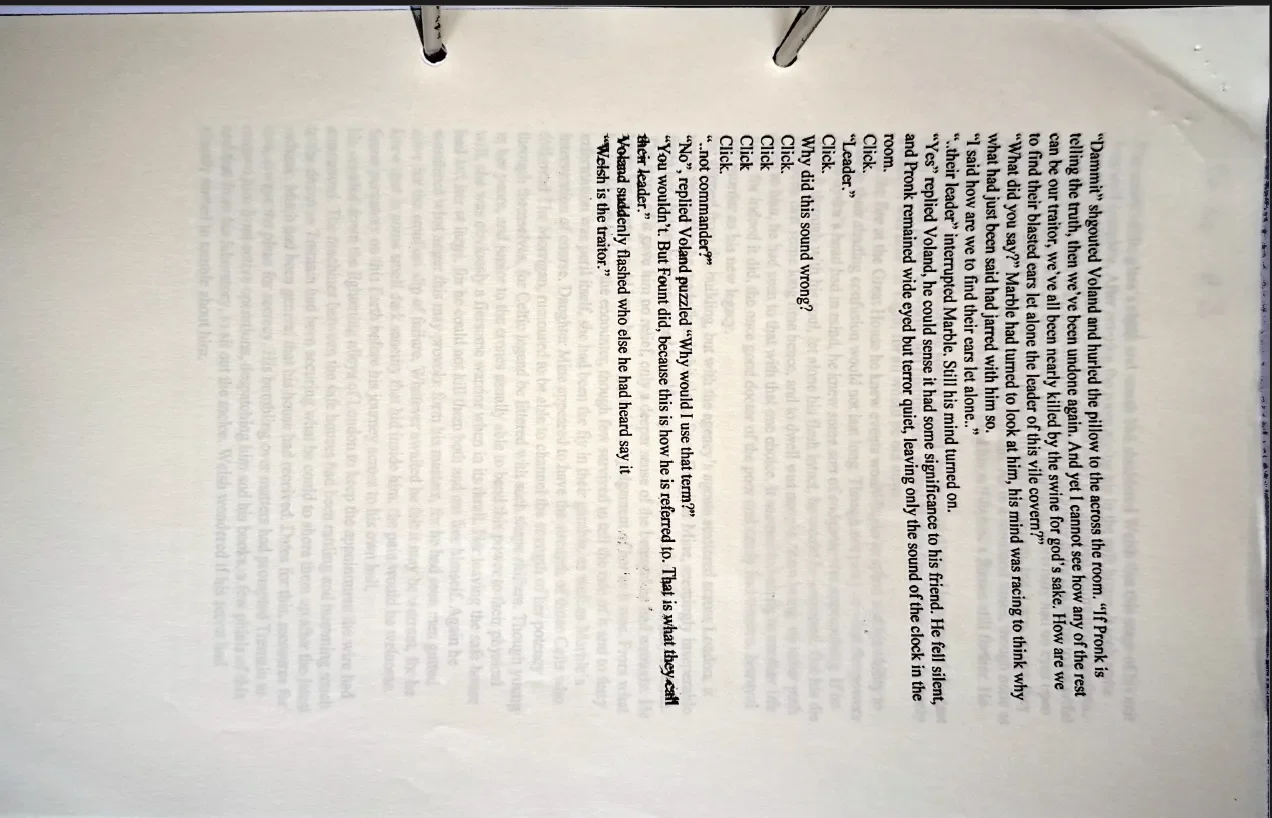
Thank God for the printed word. Still in Dad’s office on a shelf, the original printout used to piece 130K words back together (contains spoilers, no peeking!)...
Thou Shalt Not Have Him
How, then, to save it from the drawer and truly commit? We decided to do something slightly more reckless: enter it into a competition. ProWritingAid is currently running a $50,000 First Novel competition, with the first stage requiring a 5,000-word submission. This turns out to be exactly the right kind of pressure. Not because we expect to win—although that would obviously be delightful (imagine the party at the Press HQ; Mujiki at The Tapes would get a new mixing desk, Rei a new cutting table, and darkStylus a new big box with lots of wires in it).
No, the real reason to go for it is that competitions create a deadline with dignity. They force you to make the manuscript “match-fit”—to revisit the opening with the eyes of the writer you are now, not the writer you were twenty years ago. Some of the writing in the draft was, frankly, shocking. I’m what Stephen King calls a “panhandler”; I don’t do notebooks, I just sit down and write, and then pass over it again later. I’d never actually gone back over the original document.
It is 130,000 words written in mostly single sittings; I was amazed it was read by anyone at all. What I thought was clean copy was full of typos and grammar glitches (forgetting the golden rule, ‘thou shalt not sub thine own stuff’). But it was, and that gives me hope. The idea is sound. Like Kobe Bryant said, “Hard work beats talent every time,” but what if you have both? I mean, not to boast, but if I put in the work, any talent I have can only help, right? And the footnotes? Do you have any idea how much easier internet research is now compared to 2005? Allora!
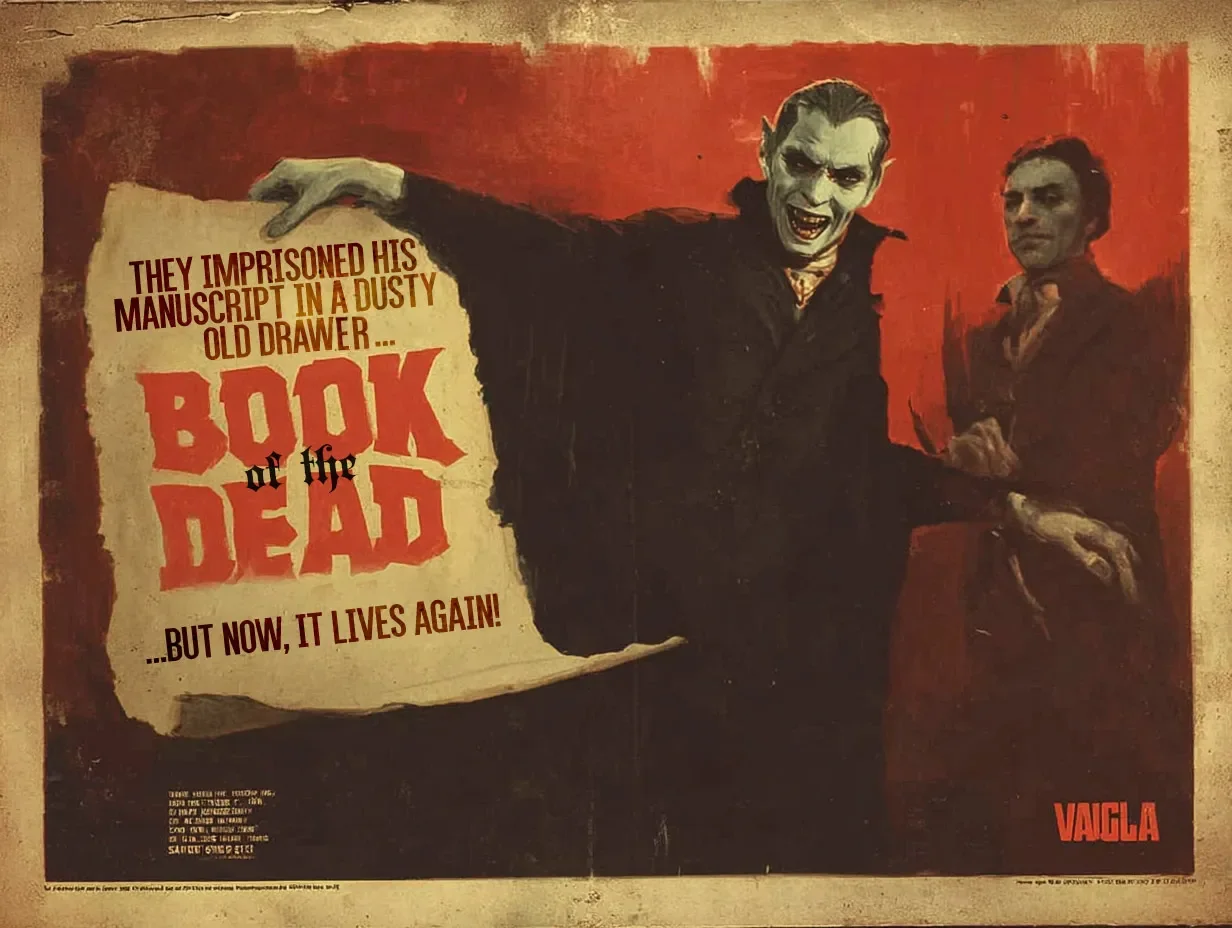
Some ideas just won’t die
Harder, Faster, Stronger
So, how do you focus and turn a talented amateur into a pro-leaguer? Is it time? Peer feedback? Ruthless editing? Or the strange new layer we now have available—AI analysis tools that can dissect prose the way a studio engineer analyses sound? Trained on thousands of opinion pieces from professional editors, with all the ethics and cheating debates they create. Do you print it out (as I noted before) or stick to the screen? Who do you send it to? Mum, Dad, and my sister have already received the call—who else? What do you want to hear back from them? Is tech useful, or is it merely tempting you to sand the edges off?
Over the next few weeks, we’re going to find out. Deadline: March 31st. Whatever path is taken, before Professor Manton Marble emerges as a Datura Dreadful, the manuscript is going back... but not to the drawer. It’s going to the gym.
The Oubliette: What’s in yours?
What ways have you brought your work back from the dead? Comments welcome below…

The Oubliette: What’s languishing in yours?